Understanding Philadelphia's Property Tax Regulations
Cy
Introduction to Philadelphia's Property Tax System
Understanding property tax regulations is crucial for homeowners and potential buyers in Philadelphia. Property taxes fund essential services like public schools, libraries, and infrastructure improvements. This blog post will guide you through the basics of Philadelphia's property tax system, helping you make informed decisions.

How Property Taxes Are Calculated
Property taxes in Philadelphia are determined by assessing the property's market value and applying the city's tax rate. The Office of Property Assessment (OPA) is responsible for evaluating properties and setting their market values. The tax rate, known as the millage rate, is applied to each $1,000 of assessed value.
For example, if your property's assessed value is $100,000 and the millage rate is 1.3998%, your annual property tax would be $1,399.80. It's essential to verify your property's assessment regularly to ensure accuracy.
Property Tax Relief Programs
Philadelphia offers several property tax relief programs to assist homeowners. The most notable program is the Homestead Exemption, which reduces the taxable portion of a property by a set amount. This can significantly lower your annual tax bill.
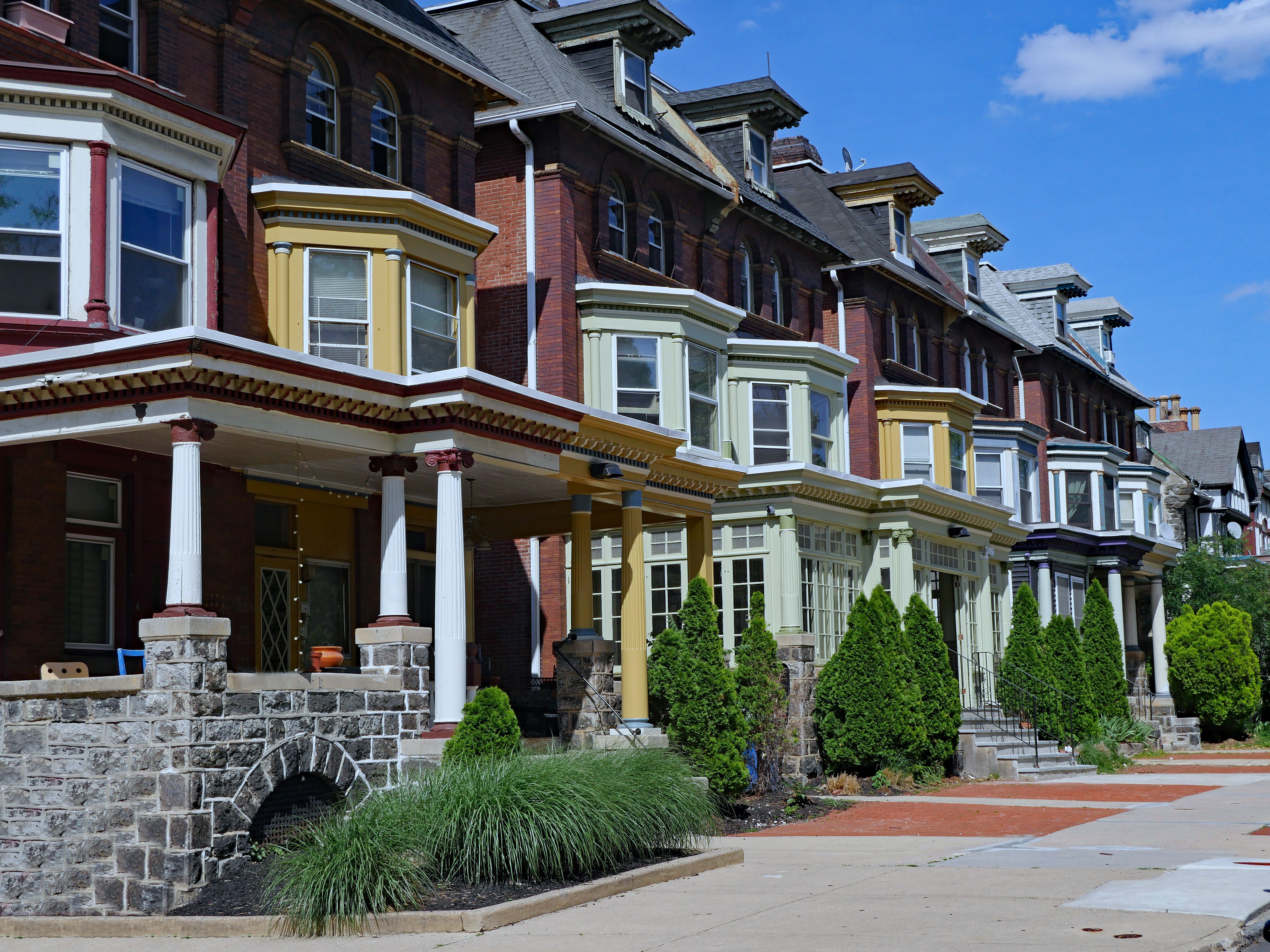
Other relief programs include the Longtime Owner Occupants Program (LOOP), designed for long-term residents experiencing significant increases in their property assessments, and the Senior Citizen Tax Freeze, which helps seniors on fixed incomes.
Appealing Your Property Assessment
If you believe your property's assessment is inaccurate, you have the right to appeal. The appeal process involves presenting evidence, such as comparable property values or recent appraisals, to the Board of Revision of Taxes (BRT). It’s crucial to file your appeal by the deadline, typically the first Monday in October.
Successfully appealing your assessment can result in a reduced property tax bill, making it a worthwhile endeavor for many homeowners.

Understanding Tax Payment Deadlines
Philadelphia property taxes are due on March 31st each year. Paying by this date avoids interest and penalties. The city offers several payment options, including online payments, mail, or in-person at designated locations.
Consider setting up reminders or using automatic payment options to ensure timely payments and avoid additional fees.
Impact of Property Taxes on Real Estate Market
Property taxes can significantly influence the real estate market in Philadelphia. High property taxes may deter potential buyers, while favorable tax relief programs can attract investors and new residents. As a homeowner or buyer, understanding these dynamics is crucial for making informed decisions.
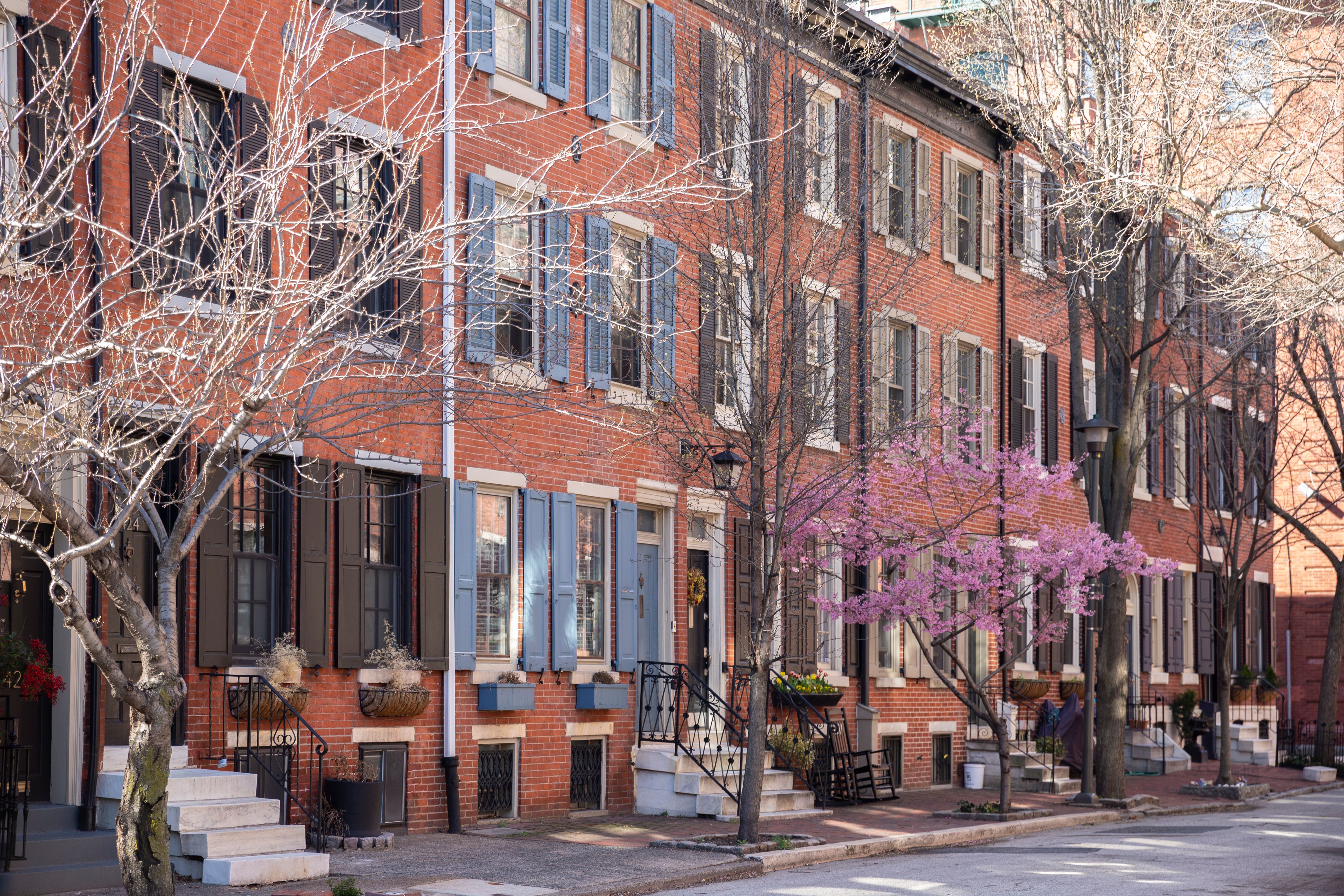
Keep an eye on local government discussions and proposals regarding tax rates and assessments, as these can impact your financial planning and property value.
Conclusion
Navigating Philadelphia's property tax regulations requires attention to detail and understanding of available resources. By staying informed and proactive, you can effectively manage your property tax responsibilities and make the most of the relief programs offered. Whether you're a current homeowner or considering purchasing property in Philadelphia, being knowledgeable about the tax system is an invaluable asset.